

Environmental test chambers are designed to deliver precise and repeatable temperature and humidity conditions for product reliability testing. However, issues such as unstable temperature control, humidity fluctuations, reduced cooling performance, or unusual operating noise are not always caused by equipment defects.
In many cases, these problems result from insufficient routine maintenance, improper operation, or neglected preventive servicing.
For laboratory managers, maintenance engineers, and equipment operators, establishing a standardized maintenance routine is one of the most effective ways to reduce unexpected downtime, extend equipment life, and ensure accurate testing results.
Based on over 35 years of experience in environmental simulation technology, KOMEG has summarized a practical maintenance guide to help users keep their environmental test chambers operating at peak performance.
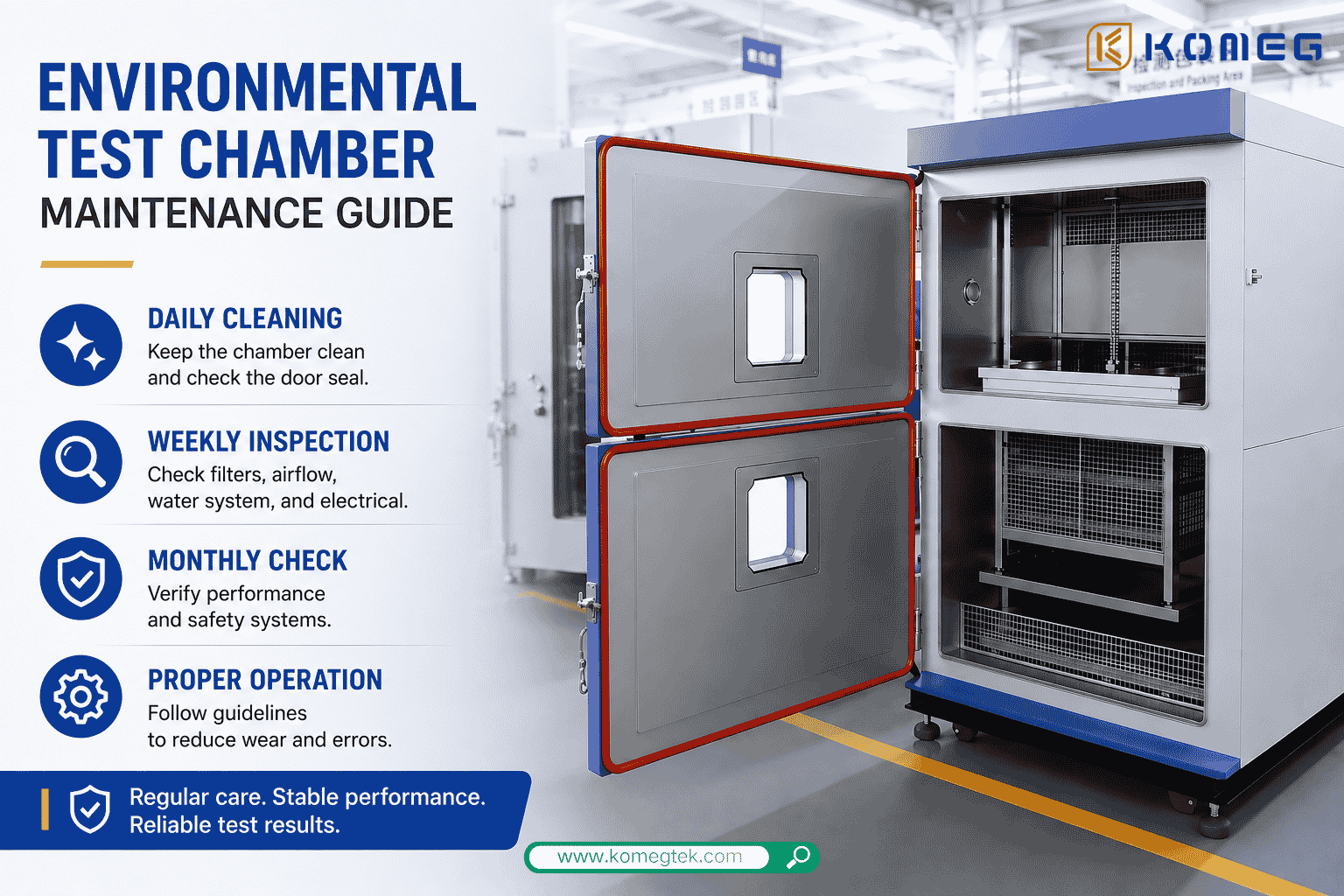
Daily Maintenance: Keep the Chamber Clean and Ready for Every Test
Routine cleaning is one of the simplest yet most effective ways to maintain an environmental chamber.
During long-term operation, dust, sample residue, moisture, chemicals, or corrosive materials may accumulate inside the chamber. If left unattended, these contaminants can affect temperature and humidity sensors, obstruct airflow, contaminate future test samples, and gradually reduce testing accuracy.
After each test, inspect the chamber interior and remove any remaining debris or liquid immediately. A soft cloth dampened with clean water is usually sufficient for daily cleaning. If necessary, use a mild neutral detergent to remove stubborn stains before wiping the chamber completely dry.
Avoid using abrasive pads, steel brushes, strong acids, alkaline cleaners, organic solvents, or other corrosive chemicals, as these may damage the stainless-steel chamber interior, door gasket, observation window, or sensitive sensors.
At the same time, inspect the door gasket for signs of wear, deformation, cracks, or trapped debris. A damaged door seal can lead to air leakage, unstable temperature control, condensation problems, and increased energy consumption.
Maintaining a clean chamber not only improves testing consistency but also helps prevent unnecessary component wear over time.
Weekly Maintenance: Inspect the Systems That Keep Your Chamber Running
An environmental test chamber is much more than a heating and cooling box. Its performance depends on multiple systems working together, including refrigeration, heating, humidity generation, air circulation, electrical control, and safety protection.
A weekly inspection helps identify small issues before they develop into costly failures.
One of the first areas to check is the air filter and condenser.
Dust accumulation on filters or condenser fins reduces heat dissipation efficiency, forcing the refrigeration system to work harder. In dusty laboratories or manufacturing environments, filters may require cleaning more frequently than once a week.
Next, inspect the air circulation system.
Ensure that air supply and return vents are free from obstruction. Test samples should never block airflow inside the chamber. Restricted airflow creates temperature gradients that directly affect test accuracy.
Listen carefully to the circulation fan during operation. Unusual vibration, excessive noise, or intermittent operation may indicate worn bearings or mechanical issues requiring attention.
If your chamber includes humidity control, inspect the entire humidification system, including the water tank, water supply lines, humidifier, drainage system, and automatic water replenishment components.
Using purified or deionized water is strongly recommended, as it minimizes mineral deposits that can shorten the lifespan of humidification components and reduce humidity control accuracy.
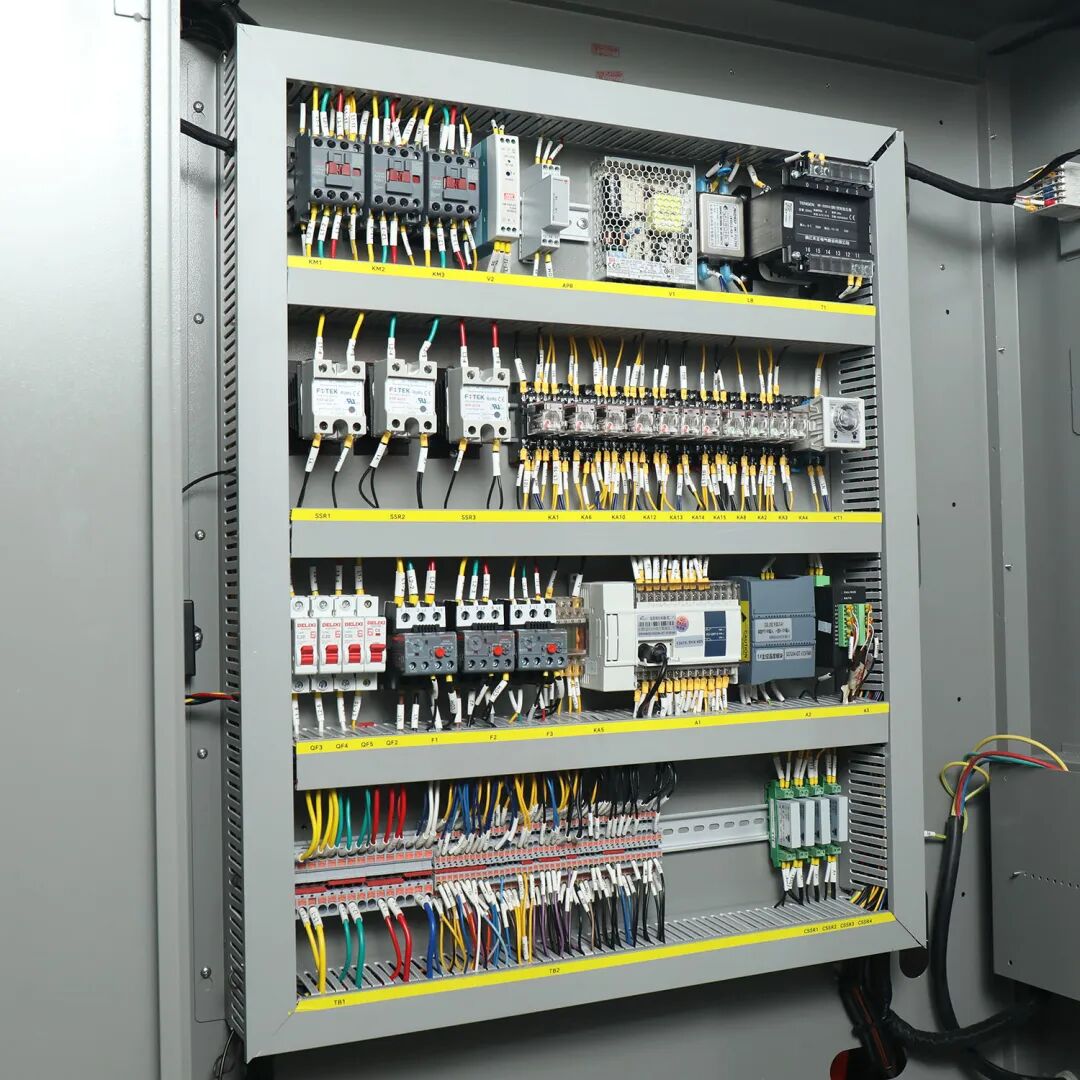
Finally, check the chamber’s electrical system.
Inspect power cables, grounding connections, electrical terminals, and controller displays for any signs of loose wiring, overheating, abnormal alarms, or unusual operating sounds.
Detecting these issues early often prevents unexpected production interruptions.
Monthly Maintenance: Prevent Long-Term Performance Degradation
While daily cleaning and weekly inspections address routine maintenance, monthly preventive maintenance focuses on the long-term health of the chamber.
Begin by reviewing recent testing records.
Has the chamber taken longer than usual to reach the target temperature?
Has cooling performance gradually decreased?
Are humidity fluctuations becoming more frequent?
Has temperature uniformity changed?
Small changes often provide the earliest indication that maintenance or calibration is required.
The refrigeration system deserves particular attention.
Since the compressor is the heart of an environmental chamber, operators should verify that it starts smoothly, runs quietly, and maintains stable cooling performance.
Inspect the condenser for proper ventilation and ensure adequate airflow around the equipment. Poor ventilation causes excessive compressor workload and significantly reduces system efficiency.
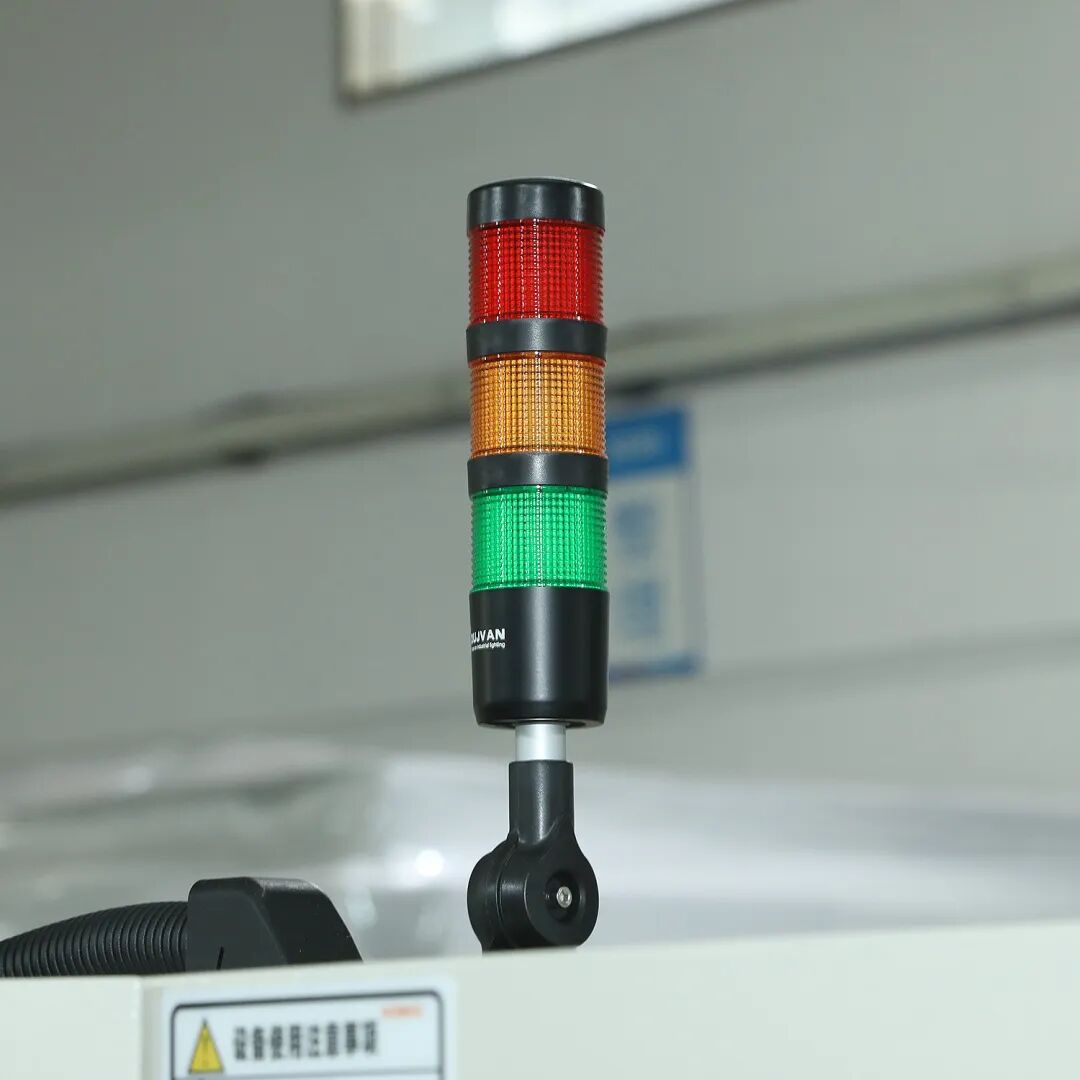
Monthly maintenance should also include verification of all safety protection systems.
Modern environmental chambers typically include over-temperature protection, compressor overload protection, leakage protection, emergency alarms, and various electrical safety mechanisms.
Regularly confirming that these systems operate correctly is essential for protecting both personnel and valuable test samples.
Common Operating Mistakes That Shorten Equipment Life
Even the most advanced environmental chamber cannot perform reliably if operated incorrectly.
Many service calls result not from equipment failure, but from avoidable operating mistakes.
One common mistake is opening the chamber door too frequently during testing.
Each time the door opens, conditioned air escapes immediately. The chamber must then work harder to restore the programmed temperature and humidity, increasing both testing time and mechanical wear.
Another mistake is forcing the door open immediately after completing high-temperature, low-temperature, or high-humidity testing.
Significant pressure differences or temperature differences may exist between the inside and outside of the chamber. Operators should always follow the recommended procedure, allowing the chamber to stabilize before opening the door.
Sample loading is equally important.
Overloading the chamber or placing samples too closely together restricts airflow, leading to uneven temperature distribution and unreliable test results.
Proper spacing between samples allows conditioned air to circulate freely throughout the test space.
For equipment that will remain out of service for an extended period, thoroughly clean the chamber interior, remove any standing water or residue, disconnect the power supply, and leave the door slightly open to promote ventilation. This simple practice helps prevent mold, unpleasant odors, and internal corrosion.
Preventive Maintenance Is an Investment, Not an Expense
Reliable environmental testing depends on more than advanced equipment—it depends on consistent maintenance and proper operation.
A structured maintenance routine helps reduce unexpected downtime, extend component life, improve testing accuracy, and lower long-term operating costs.
Following a simple schedule of daily cleaning, weekly inspections, and monthly preventive maintenance enables laboratories to identify potential problems before they affect equipment performance or compromise valuable testing data.
At KOMEG, we believe that preventive maintenance is one of the most effective ways to maximize the value of your environmental test chamber throughout its service life.
Proper maintenance keeps your chamber operating efficiently, your testing results consistent, and your products moving confidently toward market.
Why This Matters
Whether you’re testing batteries, semiconductors, automotive components, electronics, aerospace products, or other high-reliability applications, a well-maintained environmental test chamber is the foundation of accurate and repeatable testing.
By combining proper operating procedures with routine preventive maintenance, you can reduce equipment failures, improve laboratory efficiency, and ensure every environmental test delivers reliable, traceable results.
Well-maintained chambers deliver reliable testing. Reliable testing builds reliable products.