

In the world of product development, reliability is not an accident—it is engineered. Whether it’s an automotive sensor or a smartphone component, every product must withstand environmental extremes. The IEC 60068-2-1 (Cold) and IEC 60068-2-2 (Dry Heat) are the most internationally recognized standards used to validate how products perform under temperature stress.
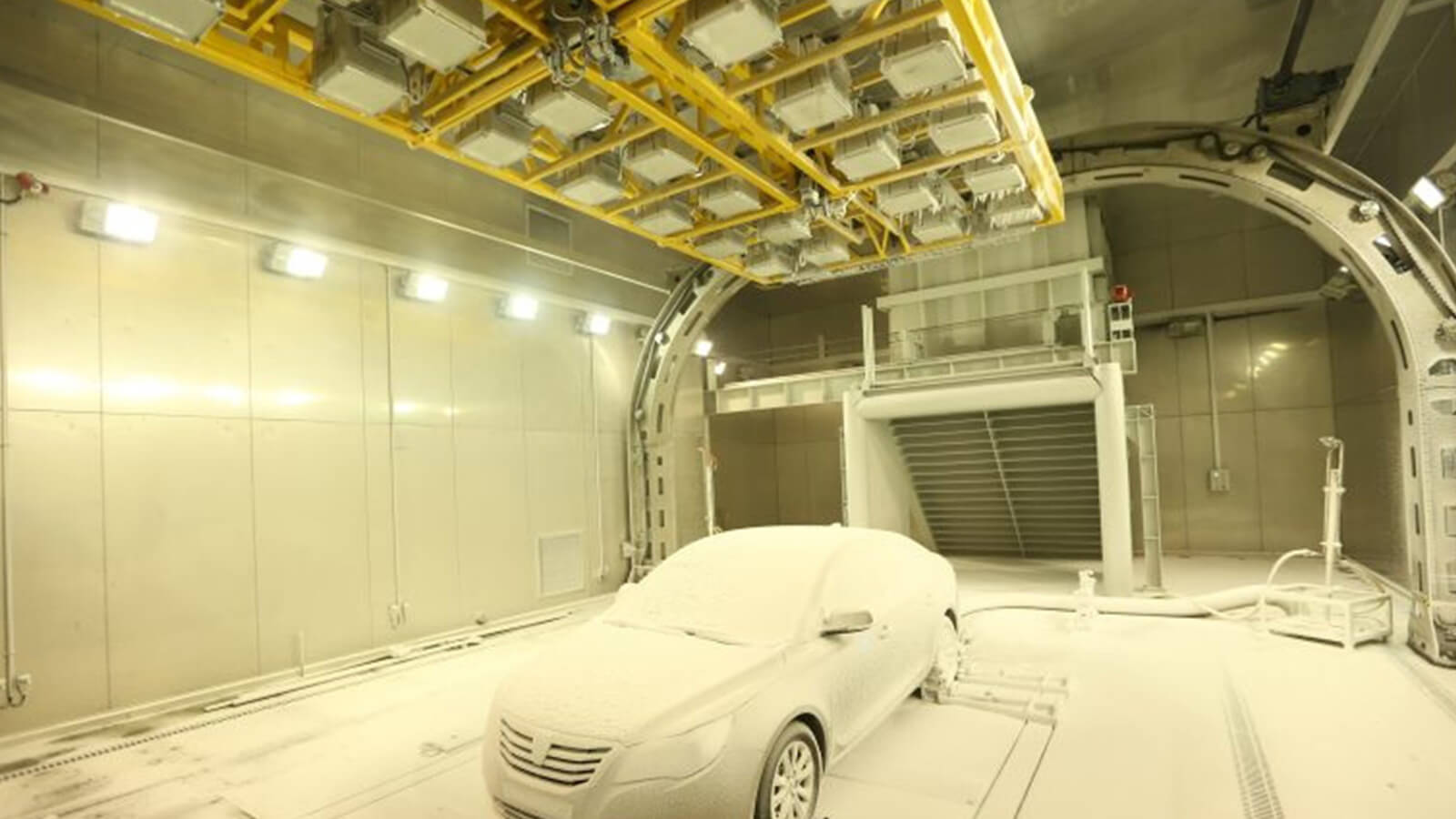
This guide provides a deep dive into these standards, their testing procedures, and how to select the right equipment to ensure compliance.
1. What is IEC 60068-2-1? (Environmental Testing – Part 2-1: Cold)
Definition: IEC 60068-2-1 is an international standard that defines test methods for evaluating the ability of components or equipment to be stored or used under cold conditions. It ensures product reliability by simulating extreme low-temperature environments.
IEC 60068-2-1 focuses specifically on the ability of a product to function or be stored at low temperatures. Extreme cold can cause materials to become brittle, lubricants to solidify, and electronic circuits to drift or fail entirely.
Key Test Designations:
Test Ab: For non-heat-dissipating specimens with a gradual change of temperature.
Test Ad: For heat-dissipating specimens (powered on during the test) with a gradual change of temperature.
Common Parameters:
Temperature Levels: Typically range from -65°C to -40°C, to -5°C.
Duration: Standard intervals range from 2, 16, 72, to 96 hours, depending on the severity required for your specific industry.
2. What is IEC 60068-2-2? (Environmental Testing – Part 2-2: Dry Heat)
While cold testing checks for brittleness, IEC 60068-2-2 evaluates the impact of high temperatures. Unlike “Damp Heat” tests, Dry Heat testing focuses exclusively on thermal stress without added humidity. This is vital for simulating desert environments or the internal heat generated within an engine compartment.
Why it Matters: High temperatures lead to the softening of plastics, oxidation of metal parts, and accelerated chemical degradation. IEC 60068-2-2 ensures that your product maintains its structural integrity and functional accuracy when the mercury rises.
3. Comparison: Cold vs. Dry Heat Testing
4. 5 Common Failure Modes Discovered Under These Standards
By subjecting products to IEC 60068 standards, engineers often uncover hidden vulnerabilities:
Material Embrittlement: Plastics and rubbers snapping under cold stress.
Seal Failure: Gaskets shrinking in the cold or expanding in the heat, leading to leaks.
Electronic Drift: Precise sensors losing calibration as resistors and capacitors react to thermal changes.
Lubrication Failure: Greases become too thick to move (cold) or too thin to protect (heat).
Coating Delamination: Paint or protective layers peeling away due to mismatched thermal expansion rates.
5. Equipment Requirements for Compliance
To achieve a valid “Pass” per IEC 60068-2-1/2, your test chamber must meet rigorous technical criteria:
Precision Airflow & Uniformity
For IEC compliance, the temperature must be consistent across the entire workspace. KOMEG chambers utilize advanced forced-air circulation to ensure that the specimen is exposed to the exact setpoint, regardless of its position in the chamber. To meet these rigorous requirements, choosing a high-quality product is essential for maintaining consistent test conditions.
Traceable Data Logging
Compliance audits require proof. A modern test chamber must provide digital data logging that records every minute of the test, ensuring the ramp rates and dwell times strictly follow the IEC profile.
Safety Protections
Testing heat-dissipating specimens (like batteries or live PCBs) carries risks. High-quality chambers include over-temperature protection and independent safety cut-offs to prevent thermal runaway.
Following IEC 60068-2-1 and 2-2 is more than just a quality check; it is a passport for your product to enter global markets. Ensuring your products survive the extremes today prevents the costly recalls of tomorrow.
Need an IEC-Compliant Test Solution?
At KOMEG, we specialize in engineering high-precision environmental test chambers designed to meet the most demanding international standards. Our systems offer the stability, accuracy, and data integrity required for modern reliability testing.