

Many customers wonder what preparations are required to properly install an environmental test chamber in a laboratory. To help users make rational and clear decisions, we highlight key points that require special attention during installation, including how to avoid unexpected problems, shorten installation time, and master necessary knowledge to ensure the equipment can be put into use smoothly under suitable conditions.
When selecting an environmental test chamber, users usually focus on equipment performance while delaying the verification of technical requirements for proper installation. Critical issues may be identified during later inspection, which may even require adjusting the selected model or modifying on-site conditions, resulting in significant impacts on time and cost. Therefore, it is highly recommended to verify all key installation factors in advance before procurement.
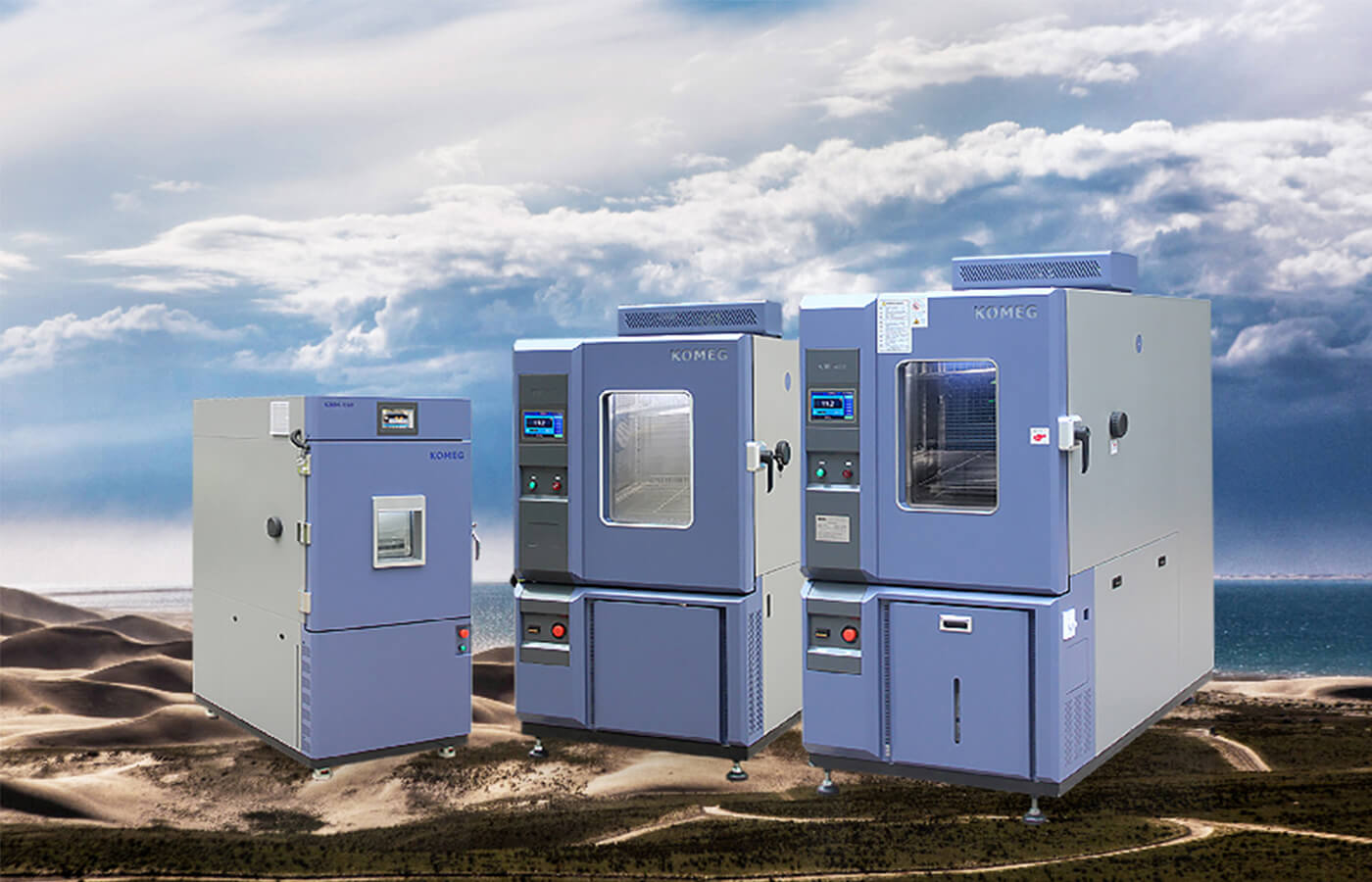
Generally, the equipment should be installed in an environment protected from external weather conditions, with a flat and solid floor that can bear the total weight of the chamber, and away from heat sources. These general installation principles also apply to environmental test chambers. Based on these, we have identified seven key aspects to check before purchasing an environmental test chamber.
1. Is sufficient surrounding space reserved?
Choosing a proper installation location is critical to the reliable operation of a new environmental test chamber. Although the chamber itself does not occupy much space, proper clearance should be reserved around it to ensure optimal performance and provide enough room for future maintenance. Sufficient space shall be allowed for the chamber door to open freely without hitting walls, as well as for operators to access the test space. In addition, for air-cooled condensers, adequate space at the back of the unit is required to ensure proper ventilation.
2. Watch out for obstacles during transportation
Knowing the external dimensions of the new test chamber is important not only to confirm available installation space in the lab but also to ensure smooth transportation and handling. Full consideration must be given to door dimensions and corridor widths to ensure the equipment can pass through these passages and reach its final installation position safely.
3. Is a proper drainage system available?
Some environmental test chambers are equipped with a condensing water circulation system, allowing the reuse of condensate when the water is clean. However, when testing dirty or contaminated samples, condensate will contain impurities and must be drained through a proper drainage system. In such cases, necessary measures must be taken to prevent clogging, which may cause severe damage to the equipment. In addition, the use of water traps is not recommended. If no floor drain is available near the equipment, condensate can be collected in a container.
4. Control the ambient temperature properly
Performance parameters of environmental test chambers are usually rated under specific standard ambient room temperatures. Elevated ambient temperature will affect equipment performance and its ability to achieve nominal technical specifications. Therefore, the laboratory ambient temperature must be fully considered before testing, along with heat generated by the equipment itself, especially when multiple test chambers are installed in the same room. In such scenarios, it may be necessary to strictly follow space reservation requirements (see Point 1) or install additional air conditioning to maintain equipment performance and provide a comfortable working environment.
5. Power plugs and electrical supply system
Environmental test chambers come in various models with different power ratings and performance specifications, which may require a single-phase or three-phase power supply with different current ratings. Some chambers, especially high-performance or large-size models, demand high electrical current and may require a dedicated power supply configuration. High-current circuits usually need specific plugs and cables. Generally, power cables are pre-wired to the control panel terminals at the factory. If no plug is provided, it must be installed on the cable end by the user. Always verify the plug specifications listed in the technical documentation.
6. Water connection for humidification system
Water supply for chamber humidification can be provided in several ways: tap water connection if the equipment is equipped with a built-in water softener; connection to a deionized water pipeline; or manual filling of deionized water into a built-in water tank. In all cases, follow the specific water quality requirements stated in the supplier’s technical documentation.
7. Water connection for water-cooled condenser system
Environmental test chambers are available in air-cooled and water-cooled versions. For water-cooled condensers, a stable and continuous water supply must be available at the installation site, with water parameters complying with requirements specified in the supplier’s technical documentation.
Founded in 1990, KOMEG brings over 30 years of technical expertise, specializing in reliability and environmental test equipment. Our main products include Temperature & Humidity Chambers, Thermal Shock Chambers, Rapid Thermal Cycle Chambers, Aging Test Chambers, Altitude Simulation Chambers, and Walk-In Environmental Rooms. With multiple product series, we cover the testing needs of all industries.