Environmental durability tests for automotive lighting fixtures are designed to ensure long-term performance under harsh real-world conditions, while validating compliance with safety regulations such as FMVSS 108 (USA) and ECE regulations (Europe). The core standards governing these tests include SAE J575, ISO 16750, as well as various OEM-specific requirements.
- Ingress Protection (IP) & Sealing Tests
Moisture/Water Intrusion (Waterproof Test): Evaluates resistance to rain, splashes, and immersion scenarios (e.g., car washes, driving through puddles).
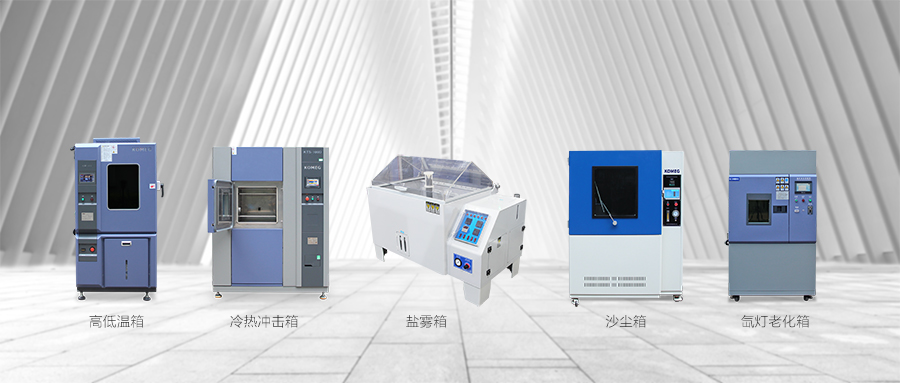
Dust Exposure (Dust-tightness Test): Ensures no dust penetrates the fixture, which is especially critical for off-road or high-dust operating environments.
Pressure Equalization Testing: Verifies that breathers and vents function properly to prevent pressure buildup during temperature fluctuations.
- Thermal and Climate Testing
Temperature Cycling and Shock: Exposes fixtures to extreme and rapid temperature changes (e.g., -50°C to +125°C) to test for cracking, warping or seal failure.
High/Low Temperature Operation: Validates the normal operational performance of lighting fixtures under constant extreme temperature conditions.
Humidity/Damp Heat Testing: Detects moisture penetration and condensation issues under high-humidity environments.
- Corrosion and Chemical Resistance
Salt Spray Testing: Simulates exposure to road salt and coastal marine environments to assess the corrosion resistance of metal components and coatings.
Chemical Exposure: Tests resistance to common automotive fluids, including fuels, lubricating oil, windshield washer fluid, and cleaning agents (per ISO 16750-5 standards).
- Weathering and Material Degradation
UV Exposure/Weathering (Xenon Arc Test): Simulates long-term exposure to sunlight, UV radiation,n and rainfall to evaluate yellowing, hazing, or degradation of plastic lenses.
Aging Tests: Accelerates material aging to ensure structural integrity and colorfastness are maintained throughout the vehicle’s service life.
- Mechanical and Structural Testing
Vibration Testing: Simulates continuous vibration during vehicle operation to ensure the structural stability of lighting fixtures.
Mechanical Shock (Gravel Impact/Stone Chip): Tests the resistance of lenses and coatings to debris impact, typically using sand or gravel for simulation.
Impact Resistance (IK Tests): Evaluates the ability of fixture housings to withstand external mechanical shocks.
- Specialized Tests
Fogging Test: Determines whether internal plastic or adhesive materials release volatile organic compounds (VOCs) that may deposit on lenses and reduce light output.
Photometry and Colorimetry: Measures light intensity, distribution, and color stability of lighting fixtures after undergoing the above environmental stress tests.